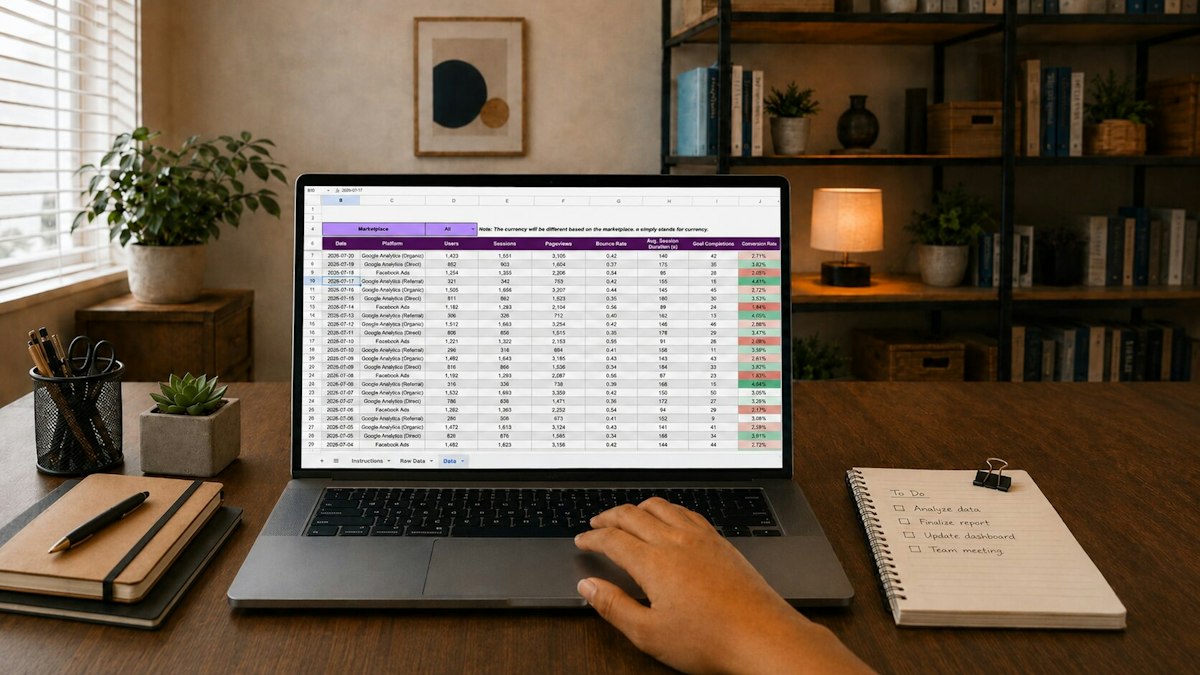
Every CRM discussion should start with the spreadsheet question, because it's the honest default. Sheets cost nothing, everyone knows them, and for a solo operator with a small contact list they genuinely work. The problem is that they fail silently — not with an error, but with a deal that falls through the cracks.
At a glance
| Need | Spreadsheet | CRM |
|---|---|---|
| Contact storage | Fine | Fine |
| Follow-up reminders | Manual | Automatic |
| Deal history | Scattered | Unified timeline |
| Team visibility | Conflict-prone | Shared |
| Cost | $0 | Free–$50+/mo |
Where spreadsheets win
For a freelancer or micro-team under roughly 50 active contacts with a simple pipeline, a well-maintained sheet is genuinely sufficient. You're not losing deals because there's nothing to lose track of yet. The moment the value appears is when contacts and follow-ups multiply.
The silent costs
Spreadsheets have no memory of when to act. A missed follow-up on a deal worth a few thousand dollars dwarfs a year of CRM fees. They also collapse under collaboration — two people editing the same sheet leads to overwrites, version sprawl, and "who talked to them last?" questions a CRM answers automatically[2].
Signals it's time to upgrade
- You have follow-ups you're tracking in your head or a separate to-do list.
- More than one person touches your contacts.
- You've lost track of a deal's status or last contact.
- You want to see a pipeline by stage or value.
The verdict
Keep the spreadsheet while it's honestly enough. Move to a CRM the first time a follow-up slips or a second person joins — and start with a free one like HubSpot rather than paying for depth you don't need yet[1].